Big Smile Because We Care
at All Care Dental Centre, we are committed to providing the best services for you and your family








Patients served with care
We care for every patient like family, ensuring they feel heard, supported, and well taken care of
20+
Expert Dentist
Easily find the expert that you need
Connect with the right expert for your needs—no hassle, no guesswork, just the support you’re looking for
2
Strategic Location
Our Locations & Schedules
All Care Dental Centre spread on various locations in Jakarta
Klinik Utama All Care Dental Centre Plaza5 Pondok Indah
Plaza 5 Blok B No.15 Jl. Margaguna Raya Pondok Indah - Jakarta 12140
622172788688
View on Maps →No schedules available

About Us
Building Healthy Smiles, for All of Our Patients


Our Vision and Mission
Deliver dental treatment as a part of the whole body health.
The first dental clinic prior to establishment of All Care Dental Centre was founded by Drg. Gunawan Atmadja, Sp.Kg, MDSc, FICD a restorative dentist specialty who started his profession as dentist at 1969 in Jatinegara Timur, Jakarta.
On March 25th, 1990 Dr Gunawan opened another branch of Premier Jatinegara Hospital, now Premier Jatinegara Hospital which later affiliate by Health is Care and reach for ISO 9001. (with the Australian affiliation Health Care and ISO 9001) drg. Gunawan Atmadja .
All Care Dental Centre vision and mission is to deliver dental treatment as a part of the whole body health. Finally in 2003, due to high demand, All Care Dental Centre opened another dental clinic at Pondok Indah area strategically located opposite Pondok Indah Mall, South Jakarta.

Articles
News & Dental Updates
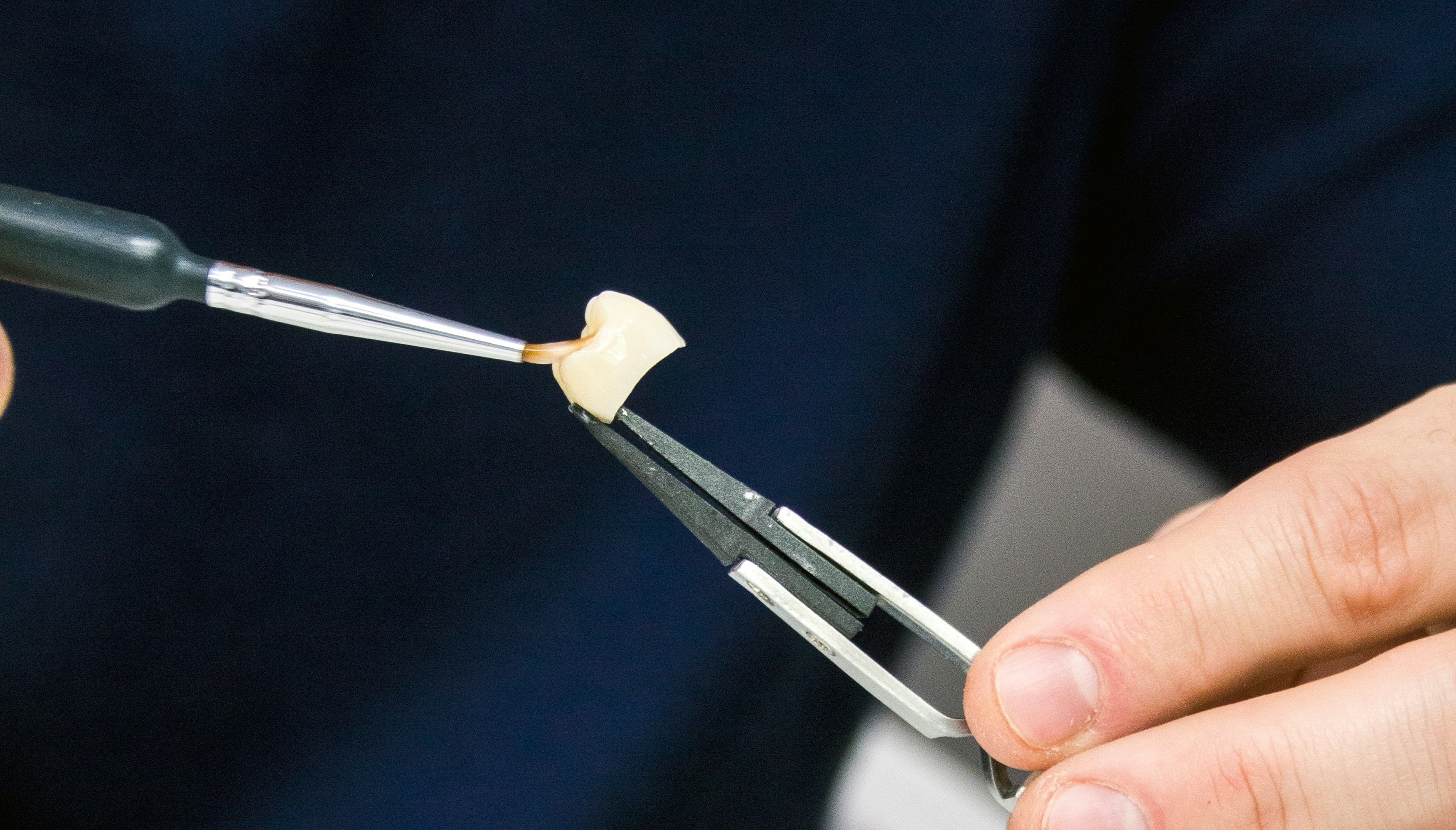
Dental Crown
If You want your smile to be your crowning glory, you need healthy, attractive teeth. When they are cracked, stained or damaged, however, your teeth detract from your dental health and your appearance, too.
Restore your smile
A crown is a special dental restoration that entirely covers or "caps" a tooth. Besides strengthening a damaged tooth, a crown can be used to improve its appearance.
- Your dentist may recommended a crown to :replace a large filling when there isn't enough tooth remaining;
- protect a weak tooth from fracturing;
- restore a fractured tooth;
- attach bridge;
- cover a dental implant;
- cover a poorly shaped tooth;
- cover a discolored tooth; or
- cover a tooth that has had root canal treatment
Which material is best?
Several factors are considered when choosing among the various materials used to make crowns. Your dentist considers the location of the tooth, the color and shade, the amount of tooth that shows when you smile, the function of the tooth (tearing versus grinding), and the position of surrounding gum tissue.
Gold or non-precious alloys, porcelain or ceramic, acrylic or composite resin or combinations of these materials are used to make crowns. Porcelain attached to a durable metal shell is commonly used for its strength. In some cases, an additional visit may be needed for adjustments.
During the firts visit, the dentist shapes the outer portion of the tooth to accommodate the thickness of the prepared tooth. Your dentist or a dental laboratory technician (following the written instructions of the dentist) then makes the crown from the model.
A temporary crown, often made of acrylic resin, covers the prepared tooth while the permanent crown is made. When the permanent crown is ready, the dentist removes the temporary crown and places the permanent one over the the prepared tooth. Minor adjustments may be made to make the crowned tooth and your "bite" feel comfortable.
Taking care of your smile
To prevent damaging your new crown (or your natural teeth), avoid chewing hard foods, ice or other objects.
Look for oral hygiene products that display the American Dental Association's (ADA) Seal of Acceptance, a symbol of safety and effectiveness. Brush twice a day with an ADA-accepted toothpaste, this helps remove plaque, a sticky film of bacteria that can made tooth decay.
Take time to carefully remove th plaque from the area where gum tissue meets the tooth (the sulcuss). Plaque that accumulates in the sulcus can cause tooth decay or gum disease.
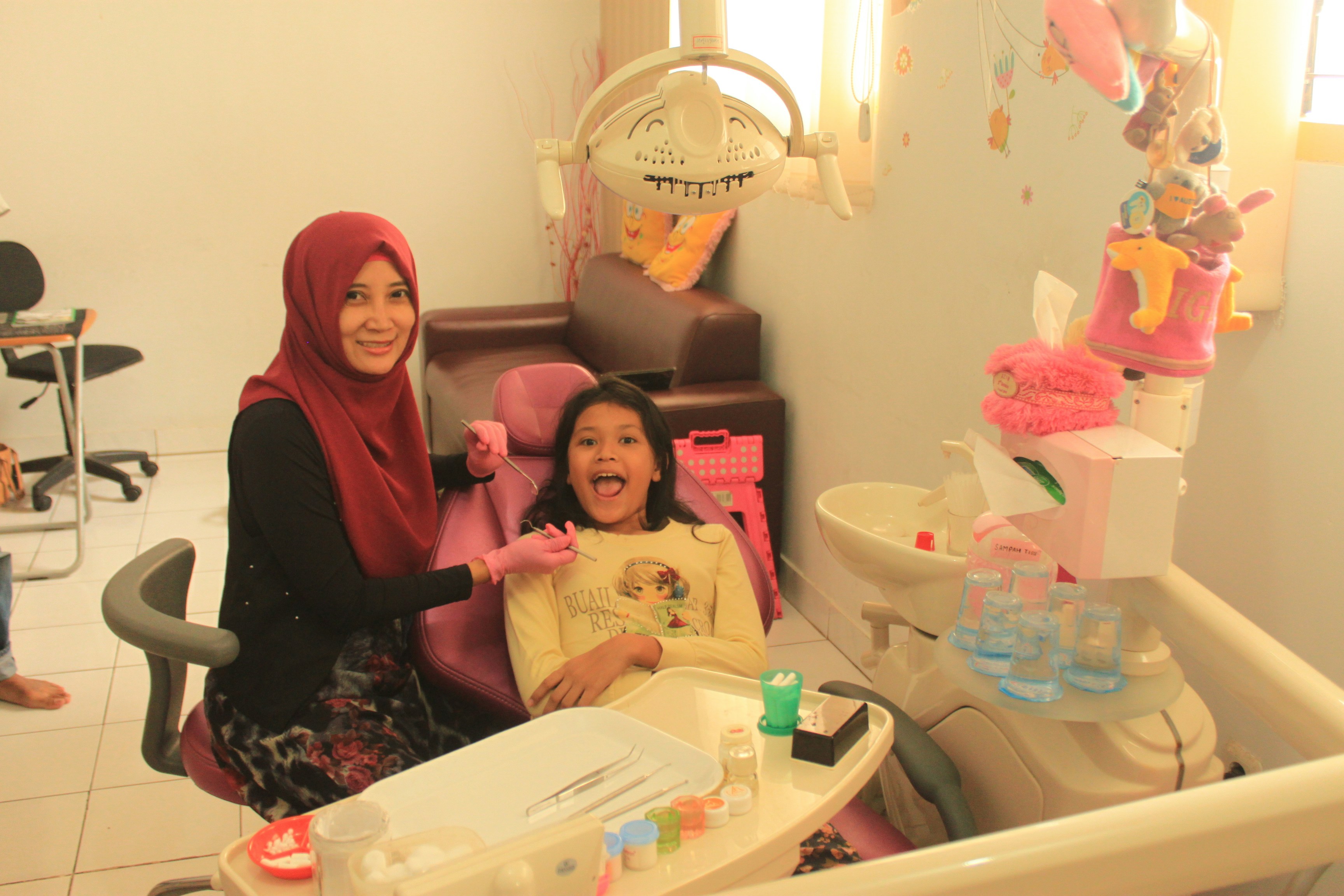
Children Dental Care
As our daily lives seem busier and fasterpaced than ever, one phrase comes to mind: "The future is now. A child’s oral healthcare habits today will have an impact on his health as an adult."
The good news is that preventive dental care has dramatically improved the oral health of many American children. Nowadays, it’s possible for children to reach adulthood without ever experiencing tooth decay. However, tooth decay remains a serious public health problem: it still is the most common chronic childhood disease that will not resolve without treatment – surpassing asthma by five times. Here are some simple steps you can take to help your child enjoy a lifetime of beautiful smiles.
Importance of a Balanced Diet
A balanced diet is critical for the proper development of an unborn child. Teeth begin to form in the second month of pregnancy and to calcify between the third and sixth months of pregnancy. A balanced diet that provides adequate amounts of vitamins A, C and D, protein, calcium and phosphorous helps develop healthy teeth, while poor nutrition can be associated with early childhood caries (tooth decay).
Keeping Teeth and Gums Healthy
Pregnant women may have the desire to eat more frequently between meals. While this is normal, frequent snacking can be an invitation to tooth decay. The decay process begins with plaque, an invisible, sticky layer of harmful bacteria that constantly forms on teeth. The bacteria convert sugar and starches that remain in the mouth to an acid that attacks tooth enamel. Brushing your teeth twice a day and cleaning between teeth daily with floss or another interdental cleaner can reduce the risk of decay. A mother’s caries-causing bacteria can be transmitted to her child, so it is important to reduce plaque and have teeth free of decay before the birth of a child.
Plaque that is not removed can irritate the gums, making them red, tender, and likely to bleed easily. This condition is called gingivitis and can lead to more serious periodontal disease that affects the gums and bone that anchor teeth in place. During pregnancy, a woman’s hormone levels rise considerably. Gingivitis, especially common during the second to eighth months of pregnancy, may cause red, puffy or tender gums that tend to bleed when brushed. This sensitivity is an exaggerated response to plaque and is caused by an increased level of progesterone. Poor periodontal health in the mother can lead to adverse pregnancy outcomes like premature delivery and low birth weight of the baby. Mothers should see a dentist regularly throughout pregnancy. The dentist may recommend more frequent cleanings during the second trimester or early third trimester to help avoid problems.
THE GROWING YEARS: FROM BIRTH TO SIX
Baby’s First Teeth
People usually think of a newborn baby as having no teeth. But the 20 primary teeth that will erupt in the next three years already are present at birth in the baby’s jawbones. At birth, most of the crowns of the primary teeth are almost complete, and the chewing surfaces of the permanent molars have begun forming.
Primary teeth are important in normal development — for chewing, speaking, and appearance. In addition, the primary teeth hold the space in the jaws for the permanent teeth. Both primary and permanent teeth help give the face its shape and form.
A baby’s front four teeth usually erupt first, typically at about six months of age, although some children don’t have their first tooth until 12 or 14 months. Most children have a full set of 20 primary teeth by the time they are three years old. As your child grows, the jaws also grow, making room for the permanent teeth that will begin to erupt at about age six. At the same time, the roots of the primary teeth begin to be absorbed by the tissues around them, and the permanent teeth under them begin to erupt. Typically, most children have the majority of their permanent teeth by 12 to 14 years of age. The remaining four permanent molars, often called “wisdom teeth,” erupt around age 21 to complete the set of 32 permanent teeth.
When teeth begin erupting, some babies may have sore or tender gums. Gently rubbing your child’s gums with a clean finger or a wet gauze pad can be soothing. You also can give the baby a clean teething ring to chew on, but never dipped in sugar or syrup. If your child is still cranky and uncomfortable, consult your dentist or physician. Contrary to common belief, fever is not normal for a teething baby. If your infant has an unusually high or persistent fever while teething, call your physician.
Cleaning Your Child’s Teeth
Begin cleaning the baby’s mouth during the first few days after birth. After every feeding, wipe the baby’s gums either with a clean, wet gauze pad or with a washcloth or towel. This removes residual food that can harm erupting teeth, and helps the child grow accustomed to having his mouth checked.
When your child’s teeth begin to erupt, brush them gently with a child’s size soft toothbrush and water. Brush the teeth of children over age two with a pea-sized amount of fluoride toothpaste. (Consult with your child’s dentist or physician if you are considering using fluoride toothpaste before age two). To clean your child’s teeth, you can sit with the child’s head in your lap. Be sure you can see into the child’s mouth easily. Check your child’s toothbrush often and replace it when it is worn. Bent or frayed bristles will not remove plaque effectively.
First Dental Visit
As your child’s first tooth erupts, consult with your child’s dentist regarding scheduling your child’s first visit. It is advantageous for the first dental visit to occur within six months after the first tooth erupts, but not later than the first birthday. Treat the first dental visit as you would a well baby checkup with the child’s physician.
During the first visit, the dentist will check: (1) for cavities; (2) to see how well the teeth are being cleaned and offer cleaning suggestions if necessary; (3) to make sure the proper number of teeth have erupted; and (4) to see that the child is receiving the proper amount of fluoride because too much or too little can lead to problems. The dentist also will answer any questions the parents may have. By starting visits at an early age, you will help your child build a lifetime of good dental habits.
Preventing Decay of Primary Teeth
As soon as teeth appear in the mouth, decay can occur. One of the risk factors for early childhood caries (sometimes called baby bottle tooth decay) is frequent and prolonged exposure of a baby’s teeth to liquids containing sugar, including milk, breast milk, formula and fruit juice. Tooth decay can occur when parents or caregivers put a baby to bed with a bottle – or use milk, formula or juice as a pacifier for a fussy baby
If you use a pacifier, use a clean one. Never dip a pacifier in sugar or honey before giving it to a baby. Prolonged use of pacifiers can harm the teeth just like prolonged thumb sucking, but it often is easier to wean a child from a pacifier than a thumb. Encourage children to drink from a cup by their first birthday, and discourage frequent use of a training cup. Never allow a baby to take a bottle to bed at night or naptime.
“Holding Space Open” for Primary Teeth
Sometimes a primary tooth is lost before the permanent tooth beneath it is ready to erupt. If a primary tooth is lost too early, nearby teeth can tip or shift into the vacant space. When the permanent tooth is ready to emerge into the space, there may not be enough room for it. The new tooth may be unable to emerge – or may emerge in an abnormal position. If your child loses a tooth prematurely, the dentist may recommend a space maintainer, a plastic or metal appliance that holds open the space left by the missing tooth. The dentist will remove this device once the permanent tooth begins to erupt.
Thumbsucking
Sucking is a natural reflex and infants and young children may suck on thumbs, fingers, pacifiers and other objects. It may make them feel safe and happy or provide a sense of security at difficult periods. Since thumbsucking is relaxing, it may induce sleep.
Thumbsucking that persists beyond the eruption of the permanent teeth can cause problems with tooth alignment and the proper growth of the mouth. How intensely a child sucks on fingers or thumbs will determine whether or not dental problems may result. Children who rest their thumbs passively in their mouths are less likely to have difficulty than those who vigorously suck their thumbs.
Children should cease thumbsucking by the time their permanent front teeth are ready to erupt. Usually, children stop between the ages of two and four. Peer pressure causes many school-aged children to stop. If you have concerns about thumbsucking or use of a pacifier, consult your dentist.
Toothbrushing for Children
Brush and floss your child’s teeth until he or she is at least six years old. By age six or seven, children should be able to brush their own teeth twice a day — with supervision until about age 10 or 11, to make sure they are doing a thorough job. However, each child is different. Your dentist can help you determine whether the child has the skill level to brush properly.
Choose a child-size toothbrush for ease of use. The variety of colors and designs can provide extra fun and motivation to keep children brushing. There also are powered or mechanical brushes available for children, so ask your dentist if one is right for your child
Proper brushing removes plaque from the inner, outer and chewing surfaces. When teaching how to brush, you may wish to stand behind the child and hold the brush to be certain that brushing is done properly.
Focus on Fluoride
Fluoride is vital for strong, decay-resistant teeth. Fluoride is one of the most effective agents for preventing tooth decay. It combines with tooth enamel to strengthen it against decay. Fluoride may also reverse microscopic cavities by enhancing the process in which minerals, including calcium, are incorporated into the teeth.
The most effective way for your child to get fluoride’s protection is by drinking water containing the right amount of the mineral, (about one part fluoride per million parts water). This is of special benefit to children, because fluoride strengthens teeth as they form. Children who from birth drink water containing fluoride have up to 50 percent fewer cavities. Many of them remain cavity free through their teens.
Before you give your child any vitamin or supplement that contains fluoride, check with your dentist to see if one is needed. Discuss your child’s fluoride needs with your dentist or pediatrician. Based on your dentist’s assessment of your family’s oral health, the use of additional fluoride-containing products may or may not be recommended.
THE GROWING YEARS: FROM SIX TO 12
As children develop, their jaw and face continue to change. The transition from baby teeth to adult teeth is gradual. By the time they reach adulthood, most children will progress from their 20 primary teeth to 32 permanent (adult) teeth. All the while, the jaw gradually expands to make room for the additional 12 teeth.
At about age six, although it may start earlier, children begin to shed (lose) their front teeth on top and bottom. During the next six or so years, permanent teeth gradually will replace the primary teeth.
The first permanent molars usually erupt between ages five and six. For that reason, they are often called the six-year molars. They are among the “extra” permanent teeth in that they don’t replace an existing baby tooth. These important adult teeth are often mistaken for baby teeth. However, they are permanent and must be cared for properly if they are to last throughout the child’s lifetime. The six-year molars are especially important because they help determine the shape of the lower face. They also affect the position and health of other permanent teeth.
Dental Sealants
A sealant is a plastic material that is applied to the chewing surfaces of healthy, cavity-free back teeth (premolars and molars), where decay occurs most often. The sealant acts as a barrier, protecting the decay-prone areas of the back teeth from plaque and acid attacks. Pits and fissures are depressions and grooves in the chewing surface of the back teeth.
They are often difficult to keep clean because toothbrush bristles cannot reach into them. The sealant forms a thin covering that keeps out plaque and food and decreases the risk of tooth decay.
Sealing a tooth is fast and there is virtually no discomfort. The dentist conditions the chewing surfaces to help the sealant adhere to the tooth and then applies the sealant to the tooth enamel.
As long as the sealant remains intact, the tooth surface will be protected from decay. Sealants hold up well under the force of normal chewing and usually last several years before a reapplication is needed. Both primary and permanent teeth can benefit from sealants. Ask your dentist if sealants will benefit your child.
Dental Visits
Regular dental visits are crucial to maintaining a healthy smile. During the dental visit, the dentist examines the child’s mouth for tooth decay and growth or development conditions that may pose a problem in the future.
How often should a child see a dentist? Children’s needs differ, and your dentist is best able to suggest a schedule of visits for your child. The frequency of dental visits will partly depend on your child’s eating habits; how clean the teeth are kept; past treatment needs; whether your child drinks fluoridated water; and other factors that can affect you child’s susceptibility to dental diseases.
Professional dental services, such as fluoride treatments and the application of sealants that prevent tooth decay, can save money and reduce the need for further dental treatment.
Set a good example for your child by brushing your own teeth twice a day, flossing once, and visiting the dentist regularly.
Malocclusion
Malocclusion, or bad bite, is a condition in which the teeth are crowded, crooked or out of alignment, or the jaws don’t meet properly. This condition may become particularly noticeable between the ages of six and 12, when the permanent teeth are erupting. This “bad bite” may be inherited or result from events in the child’s development.
It is recommended that every child receive an orthodontic evaluation by age seven. Early examination and treatment may help prevent or reduce the severity of malocclusions in the permanent teeth. An early evaluation allows the dentist/orthodontist to determine when any recommended treatment should begin. Starting treatment or preventive care at the best time may reduce the overall treatment time and result in the best outcome.
Dentists/orthodontists try to prevent the development of malocclusions, when possible. Some preventive orthodontic treatment may be started when the primary teeth are still in place. Often effective preventive treatment is done during a child’s growth period. Different types of orthodontic appliances, including some that are removable, are used to prevent and treat malocclusions.
Orthodontic treatment may be divided into distinct stages or it may be continuous over a period of many months or more. The starting age, the duration of treatment, the type of appliances used, the outcome of the treatment, and the cost of treatment depends upon the nature and the severity of the malocclusion being treated. In most cases, the cooperation of the patient — practicing good oral hygiene and maintaining scheduled appointments with the dentist — are major factors in the success of orthodontic treatment.
Mouth Protectors
When a child begins to participate in recreational activities and organized sports, injuries can occur. Mouth protectors, also called mouthguards, are an important piece of protective face gear. You’ve probably seen mouth protectors used in contact sports, such as hockey, football or boxing. Coaches and team members know that mouth protectors cushion blows that would otherwise cause broken teeth, injuries to the lips and face and sometimes even jaw fractures. Ask your dentist about custom fitted and storebought mouth protectors.
Tobacco
Social attitudes and acceptance of smoking have greatly changed in the past decade but in spite of all the negative publicity, some youth are still drawn to cigarettes and chewing tobacco. Tobacco in any form can jeopardize your child’s health and cause incurable damage. Teach your child about the dangers of tobacco. Smokeless tobacco, also called spit tobacco, chew or snuff, often is used by teens who believe that it is a safe alternative to smoking cigarettes. This is an unfortunate misconception. Studies show that spit tobacco may be even more addictive than smoking cigarettes and may be more difficult to quit. Teens who use it may be interested to know that one can of snuff per day delivers as much nicotine as 60 cigarettes. As little as three to four months of smokeless tobacco use can cause gum disease and produce pre-cancerous lesions called leukoplakias. Abrasive ingredients and sugars in smokeless tobacco also lead to greater tooth abrasion and decay. Users should watch for unusual lesions that might appear on the lip, inside cheek or on the gums. Better yet, don’t let a dangerous habit start.
Periodontal diseases
Periodontal (gum) diseases are caused by bacterial infections that attack the gums, tissue and bone. When plaque is not removed it can harden into a rough, porous deposit called calculus, or tartar. It can only be removed when teeth are cleaned in the dental office. Tartar that forms below (under) the gumline makes it more difficult to remove plaque film and may interfere with the attachment of the teeth to the gums. This can create conditions that lead to chronic inflammation and infection.
An early sign of periodontal disease is gums that bleed easily, especially when teeth are brushed. If not treated at an early stage, serious problems can result. Eventually, bony support can be lost and teeth may become loose, fall out or require extraction.
Periodontal diseases can occur at any age. Several forms of periodontal disease can affect even teenagers. Adolescents may need reminders about practicing good oral hygiene. It’s important that both children and adults have regular dental checkups.

Bad Breath
What you should know about bad breath
Although it might be right under their noses, some people aren't aware that they have offensive breath. Bad breath, or halitosis (pronounced "hal-i-TOE-sis"), is an unpleasant condition that often is cause for embrassement.
Certain foods, tobacco, aclohol and some prescription or over-the-counter drugs may cause mouth odors. In a small percentage of cases, bad breath may have a systemic origin (something that affects the body generally) such as a respiratory tract condition or other ailments.
However, major source of bad breath in healthy people is microbial deposits on the tongue, especially the back of the tongue, where a bacterial coating harbors organisms and debris that contribute to bad breath. Some studies have shown that simply brushing the tongue reduced bad breath measurements by 70 percent.
Food stuck between teeth, around the gums and on the tongue may leave an unpleasant odor as it decays.Dentures tat are not cleaned properly also can harbor odor-causing food and bacteria.
Certain foods, such as garlic and onions, contribute to objectionable breath because they contain odor-causing compounds. When these compounds enter the bloodstream, ther are transferred to the lungs, where they are exhaled. Using mouthwash temporarily masks mouth odor. Few studies have examined the long-term effetiveness of a particular mouthwash on reducing bad breath.
Periodontal disease, a condition in which bacteria attack the tissues that surround and support teeth, may paly a role in creating bad breath.
Dry mouth, or xerostomia (pronounced "zero-STOW-me-uh"), is another condition that can cause bad breath. Under normal conditions, saliva removes many particles that cause odor. Dry mouth occurs when the flow of saliva decreases. Some medications, salivary gland problems or continuous mouth breathing also may contribute to bad breath. If you have dry mouth, your dentist may prescribe artificial saliva or suggest using sugarless candy and increasing your fluid intake.
Tobacco products cause bad breath, stain teeth and irritate tissues.
If your dentist rules out the above causes, and you practice good oral hygiene, including thourough tongue-brushing, bad breath may be the result of a local infection in the respiratory tract (nose,throat,windpie,lungs), chronic sinusitis, postnasal drip, chronic brochitis, diabetes, gastrointestinal disturbance, or a liver or kidney ailment. If your mouth is healthy, you may be referred to your family doctor or a specialist to determine the cause of your bad breath.
- Tips for controlling bad breathMaintain a healthy smile. Schedule regular dental visits. If you are concerned that you have constant bad breath, keep a log of what you eat.
- Make a list of over-the-counter and prescribed medications that you take and bring it to your next checkup. Let your dentist know if you've had any surgery or illness or whatever your medical history has changed since your last visit. And avoid constant use of breath mints and other hard candies containing sugar, which may cause tooth decay.
- Look for oral hygiene products that display the American Dental Association Seal of Acceptance. Brush twice a day with fluoride toothpaste and take time to brush your tongue. Once a day, use floss or another interdental cleaner to clean between teeth. If you wear removable dentures, take them out at night. Clean them thouroughly before replacing them the next morning.
- If you need extra help in controlling plaque, your dentist may recommend using a special antimicrobial mouthrinse. A fluoride mouthrinse, used along with brushing and flossing, can help prevent tooth decay.
- If you're concerned about bad breath, talk to your dentist. He or she can help identify the cause and, if it's due to an oral condition, develop a treatment plan to help eliminate it.

Baby Bottle Tooth Decay
As soon as a baby’s first teeth appear—usually by age six months or so—the child is susceptible to decay. This condition is often referred to as Baby Bottle Tooth Decay or Early Childhood Caries (cavities). In some unfortunate cases,infants and toddlers have experienced severe tooth decay that has resulted in dental restorations or extractions. The good news is that decay is preventable.
What causes tooth decay A thin, sticky colorless film of bacteria called plaque covers teeth. The bacteria produce acids that can attack tooth enamel. When sugary food or liquid remains in the mouth after eating, the bacteria have more time to produce decay-causing acid.
What is Baby Bottle Tooth Decay Baby bottle tooth decay is a condition that can destroy the primary teeth of an infant or young child. It occurs when the child’s teeth are frequently exposed to sugary liquids for long periods. These liquids include milk (even breast milk), formula, fruit juice and other sweetened liquids.
They're just baby teeth, aren't they? Humans, like most mammals, have two sets of teeth: primary (baby) and permanent (adult). Some people think that primary teeth are not important because they will eventually fall out to make room for adult teeth. On the contrary, primary teeth "hold" space in the jaw for the permanent teeth. They help the child chew, which is essential for a healthy diet. They help the child learn to pronounce words and give structure to the face.
By the time a child is born, 20 primary teeth usually have formed inside the gums. The front four teeth typically begin to appear when the baby is between age six months and one year. Most children have a set of 20 primary teeth by the time they are three years old.
Unfortunately, tooth decay can begin as soon as the teeth emerge. It is the baby’s upper front teeth that are usually affected, but decay can damage other teeth, too.
Decay in the primary teeth can cause pain and can harm the erupting permanent teeth that are still growing inside the gums. Even though they’re not visible until the child is about six years old, the permanent teeth begin to develop tooth enamel as early as three to four months after birth. Disease can spread to the hidden permanent teeth. And the decay can be associated with general health problems in some children.
If primary teeth are lost prematurely, the emerging adult teeth may shift, resulting in an irregular bite that could require additional treatment. If primary teeth are kept healthy until they’re ready to fall out on their own, there is a better chance of the adult teeth erupting in normal alignment.
What can i do to keep baby's teeth healthy Babies rely on parents or caregivers for good health. Take an active role in caring for the baby’s teeth by cleaning them at home, providing a balanced diet and scheduling regular dental visits.
Never allow a baby or toddler to fall asleep with a bottle that contains milk, formula, fruit juices, sweetened liquids or a pacifier dipped in sugar or honey. Even diluted sweet drinks can be damaging. Infants should finish their bedtime or naptime bottle (or breastfeeding) before going to bed.
Start oral care early. Wipe the baby’s gums with a clean gauze pad after each feeding. Begin brushing your child’s teeth with water as soon as the first tooth appears. If you are considering using fluoride toothpaste before the child’s second birthday, ask your dentist or physician first. When choosing oral care products, look for those that display the American Dental Association’s Seal of Acceptance.
To reduce the chances of tooth decay, children should be encouraged to drink from a cup by their first birthday.
Talk to your dentist about scheduling the child’s first visit. It’s beneficial for the first visit to occur within six months of the eruption of the first tooth and no later than the baby’s first birthday. Consider your child’s first visit as a "healthy baby checkup" for his or her teeth.
During the visit, your dentist can show you how to properly clean the child’s teeth. Besides checking for tooth decay and other conditions like thumb sucking, your dentist can explain fluoride and the right amount that a child needs for healthy teeth. The dentist may also recommend oral care products for your family.
In many cases, parents rely on others to care for the baby at least part of the time. Be sure to share information about preventing baby bottle tooth decay with caregivers. Keeping baby’s smile healthy is a team effort.

How can we help you?
Talk to us to find out more about what we can offer you